On This Page
ECO2MIX Summary: Carbonated Irrigation Assessment of Grapevine Growth, Nutrient Absorption, and Sugar Accumulation in a Tempranillo (Vitis vinifera L.) Vineyard
Full study: Lampreave et al. (2022). Carbonated Irrigation Assessment of Grapevine Growth, Nutrient Absorption, and Sugar Accumulation in a Tempranillo (Vitis vinifera L.) Vineyard. Agriculture, MDPI.
Research published in 2022. ECO2MIX Summary last updated on 10/8/2025.
Methods
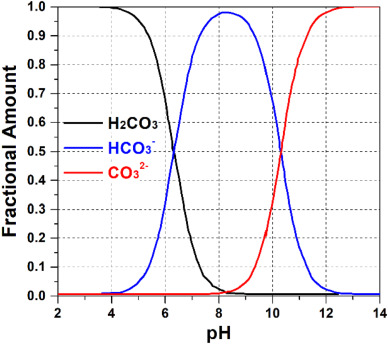
Tempranillo grapevines were irrigated with carbonated water prepared at set concentrations. The work included a bare-soil pot test to choose dose, then a planted-pot experiment run over three years. The 400 ppm CO₂ dose (~ pH 6.5) was selected as “optimal” after the soil screen and used throughout the planted study. Irrigation was by drip, ~48 events from May to August, with doses tied to ETc; in the 400 ppm treatment.
Key Results
- The 400 ppm water treatment dropped soil pH by 0.7 decimal points in non-calcareous soils, and roughly 0.3–0.7 in calcareous soils, but pH returned toward baseline within about 40–120 minutes (pg. 5). This range is confirmed by other research (pg. 13).
- Active limestone fell, carbonates rose only in schist, and medium and highly calcareous soils were unchanged, which is encouraging because the anticipated solubilization of Ca and Mg carbonates to bicarbonate with release of Ca and Mg did not happen here (pg. 10).
- In bare soils, 400 ppm (~ pH 6.5) increased available P, Fe, Mn, and Zn versus control; 800 ppm (~ pH 6.0) pushed Ca into solution more strongly (pg. 6).
- In planted pots, 400 ppm improved growth and yield, about +30–42% for kg grape/vine (pg. 13).
- Plant chlorophyll and leaf iron improved in highly calcareous conditions with 400 ppm CO₂. Chlorophyll: 2.13 → 3.41 mg/g d.w. (year 3), and leaf iron: 95 → 193 µg Fe/g d.w. (pg. 7).
- The authors conclude that acidified water in calcareous soils increases nutrient availability, aids chlorosis control, and that dose and irrigation frequency govern how long the pH drop lasts.
What This Means for Carbonic Acid pH Control
The agronomic lever is water pH during irrigation and in the soil solution. The study shows a clear and temporary soil pH shift and associated nutrient availability gains, especially in calcareous contexts. If the goal is to keep the root-zone solution in range during the irrigation window, a setpoint-controlled, inline CO₂ system that holds pH going to the field is more likely to maintain that range than batching “carbonated water” that can degas and drift. The paper’s own time-course and methods (batching, RDI, no leachate) reinforce this point.
”Carbonated Water” and How ECO2MIX Manages Carbonic Acid Water pH Treatment
At the end of the day, the carbonated water (400 ppm to reach 6.5 pH) existed to create carbonic acid to acidify the water (pg. 2). With ECO2MIX, we have a method of dissolving all of the CO₂ in the water so we make only carbonic acid. That carbonic acid is made separately from the mainline, then re-injected to control the pH. This method means we use much less CO₂ than the 400 ppm in research, which lowers the cost significantly, decreasing the need for large tanks and making it affordable for farmers.
The method of adding CO₂ to reach a target pH is important. In the research, their particular water hit 6.5 pH at 400 ppm. That number can change with different waters, and the method of adding CO₂ to the water will change how much is used. Our injection is proportional and driven by the pH that is going to the field.
Batching injection vs. an inline feedback driven by pH probe will work differently. Batching injections likely isn’t feasible at a farm scale, and inline adjusting injection will automatically adjust when the water quality changes, like in recycled water and drought contexts.
The study used deficit irrigation with no leachate, extending residence time in buffered media. Production blocks often have leaching fractions that further reduce any chance of bicarbonates accumulating.
Other Carbonated Water Research
Other studies also found yield improvements:
- Cucumber — Peet & Willits 1987. Yield up ~44% under their conditions (pg. 13, ref. 26).
- Cucumber — Ibrahim 1992. ~10–25% yield increase at ~150 ppm (pg. 13, ref. 27).
- Cotton — Mauney & Hendrix 1988. 53–80% yield increase at 1500–1800 ppm (pg. 13, ref. 28).
- Strawberry — 2% (Mannini & Gallina 1995, ~1000 ppm); 6–8% (Arienzo et al. 1995, ~2000 ppm) (pg. 13, ref. 29, 30). It is unclear if the metric is yield, fruit size, or 2% is yield and 6–8% is fruit size, and these journals are difficult to find.
- Tomato, Cucumber — Hartz & Holt 1991. No yield increase at 500–1000 ppm (pg. 13, ref. 31).
- Gladiolus — Alvino et al. 1997. No yield increase at 500–1000 ppm (pg. 13, ref. 40).
Note, the method of carbonating the water, where the crops were grown, how the carbonated water was delivered, and ppm of CO₂, varies significantly between each study.
Bottom Line
Carbonating irrigation water to make carbonic acid and reach ~pH 6.5 improved nutrient availability and vine performance in this study, without building up bicarbonates in the soil. For growers aiming at consistent root-zone solution and clean emitters — all supporting plant health — carbonic acid pH control with inline feedback is the practical path. Outcomes will vary with dose, soil buffering, irrigation schedule, and CO₂ loss before application when using “carbonated water.”
Was this article helpful?
Thanks for your feedback!


Better Water pH for Your Crops
Get a Proposal